
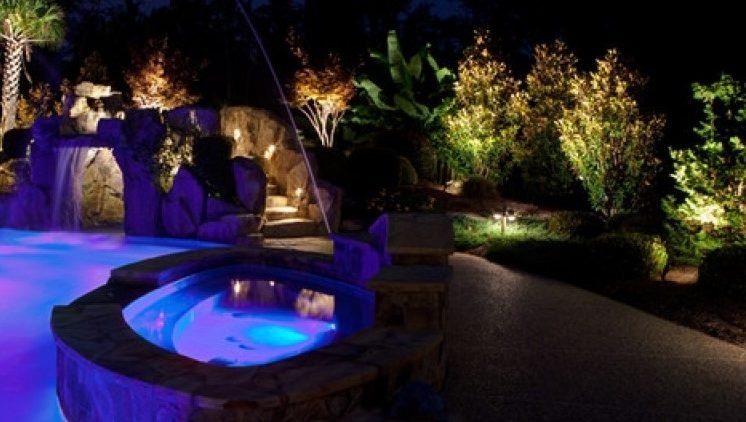
Hot Tub and Spa Electrical Requirements in Maryland: What Homeowners Need to Know
Introduction
Installing a hot tub or spa is one of the most enjoyable upgrades you can make to your home—but it also comes with strict electrical requirements designed to keep you safe. Because water and electricity are a dangerous combination, hot tub wiring must meet specific National Electrical Code (NEC) and Maryland safety standards. At Cook Electric, we help homeowners install hot tubs and spas safely, legally, and efficiently with professional electrical service you can trust.
If you’re planning to add a spa to your backyard, deck, or patio, here’s what you need to know about hot tub and spa electrical requirements in Maryland.
Why Professional Hot Tub Wiring Is Essential
Hot tubs require high-voltage electrical connections, usually 240 volts, and draw significant amperage. Improper wiring can lead to:
- Electrical shock hazards
- Equipment damage
- Breaker trips or overheating
- Failed inspections
- Fire risks
- Voided manufacturer warranties
Hiring a licensed electrician ensures your installation is safe and code-compliant from day one.
Common Electrical Requirements for Hot Tubs
1. Dedicated Circuit
Most hot tubs require a dedicated 240-volt circuit, typically ranging from 40 to 60 amps depending on the manufacturer’s specifications. A dedicated circuit ensures the spa operates without overloading other parts of your electrical system.
2. GFCI Protection
Ground Fault Circuit Interrupter (GFCI) protection is required for all hot tubs and spas. GFCI breakers automatically shut off power if they detect an imbalance in current—protecting users from electrical shock.
3. Proper Disconnect Location
The NEC requires a disconnect switch within sight of the hot tub, but at least 5 feet away from the water’s edge. This allows safe servicing while preventing accidental contact from inside the spa.
4. Correct Wire Size and Conduit
Wire gauge must match the amperage requirements of the spa. Outdoor-rated wiring and conduit are required to protect against moisture, weather, and physical damage.
5. Bonding and Grounding
Bonding connects all metal components near the hot tub to prevent stray voltage. Proper grounding ensures electricity has a safe path in the event of a fault.
6. Panel Capacity Evaluation
Before installation, your home’s electrical panel must be evaluated to confirm it can handle the additional load. In some cases, a panel upgrade may be recommended.
Hot Tub Placement and Electrical Planning
Electrical planning should happen before the spa is delivered. Factors to consider include:
- Distance from your main electrical panel
- Location of the disconnect switch
- Trenching requirements for underground wiring
- Clearance from overhead power lines
- Deck or patio structural considerations
- Local permitting and inspection requirements
Cook Electric coordinates these details to ensure smooth installation and compliance with Maryland building codes.
Portable vs. Hardwired Hot Tubs
Some smaller “plug-and-play” hot tubs operate on 120 volts and plug into a standard GFCI outlet. However, most full-featured hot tubs require 240-volt hardwired connections for proper heating and jet performance.
Hardwired systems provide:
- Faster heating
- Stronger jet operation
- More reliable long-term performance
- Safer electrical integration
Our team helps determine the best setup for your specific spa model.
Why Choose Cook Electric for Hot Tub Wiring in Maryland?
Homeowners across Annapolis, Anne Arundel County, Kent Island, Severna Park, and surrounding areas trust Cook Electric because we offer:
- Licensed, bonded, and insured electricians
- Strict adherence to NEC and Maryland electrical codes
- Safe installation of dedicated circuits and GFCI protection
- Expert panel capacity evaluation
- Clean, professional workmanship
- Free estimates and honest recommendations
- Over 35 years of experience serving Maryland homes
We ensure your hot tub installation is safe, efficient, and built to last.
When to Schedule Electrical Service
You should contact a licensed electrician if:
- You’re purchasing a new hot tub or spa
- You’re upgrading from 120V to 240V
- Your breakers trip when running the spa
- You notice corrosion or moisture near wiring
- You’re renovating a patio or deck and adding a spa
- You want to ensure your installation meets current code
Conclusion
A hot tub is meant to be relaxing—not stressful. Proper electrical installation is the key to safe, reliable performance for years to come. From dedicated circuits and GFCI protection to full code compliance, Cook Electric provides expert hot tub and spa electrical services in Maryland.
If you’re planning to install a hot tub or want to ensure your existing setup meets safety standards, contact Cook Electric today for professional, code-compliant service.